
| Variant | Quantity | Price | Variant Total |
|---|
cable

2-Core 0.75mm Shiny Pink Italian Braided Fabric Cable | Vintage Lamp Flex
From £1.99

Premium 0.75mm 2 Core Vintage Braided Cable - Light Brown Fabric Flex
From £1.99

3 core Round Vintage Braided Fabric Light Green Cable Flex 0.75mm
From £1.35

3 Core Army Green Round Vintage Italian Braided Fabric Cable Flex 0.75mm UK
From £2.09


3 Core Round Vintage Grey Italian Braided Fabric Cable Flex 0.75mm UK
From £2.09

3 Core Round Light Blue Vintage Italian Braided Fabric Cable Flex 0.75mm UK
From £2.09

3 Core Round Vintage Italian Braided Fabric Cable Flex 0.75mm Dark Blue UK
From £2.09

0.75mm 3 core Round Cable Vintage Braided Purple Fabric Light Flex
From £2.09

3-Core Round Baby Pink Lighting Fabric Braided Cable
From £2.09

3 core Round Vintage Braided Fabric Green Cable Flex 0.75mm
From £2.09

3 Core Round Vintage Italian Braided Fabric Blue Cable Flex 0.75mm UK
From £1.48
£2.09

3 core Round Vintage Braided Fabric Dark Brown Cable Flex 0.75mm
From £2.09

3 core Round Vintage Braided Fabric Burgundy Cable Flex 0.75mm
From £2.09

Vintage Braided Fabric Light Gold Colour Cable Flex 0.75mm 3core Round
From £2.09


light Green color 3 Core Twisted Electric Cable covered fabric 0.75mm
From £2.09


3-Core Twisted Fabric Electric Cable 0.75mm Hemp
From £2.09

3 Core Twisted Baby Pink Vintage Electric fabric Cable Flex 0.75mm
From £2.09

light Blue color 3 Core Twisted Electric Cable covered fabric 0.75mm
From £2.09

Retro 3 Core Twisted Cable with Fabric Cover, Red & White, 0.75mm
From £2.09

3 Core Twisted BlueVintage Electric fabric Cable Flex 0.75mm
From £2.09


Black and White color 3 Core Twisted Electric Cable solid fabric 0.75 mm
From £2.09

Shiny Pink Vintage Twisted Electric fabric Cable Flex 0.75mm - 3 Core
From £2.09

Rose Pink color 3 Core Twisted Electric Cable covered fabric 0.75mm
From £2.09

Dark Brown 3 Core Twisted Electric Cable covered color fabric 0.75mm
From £2.09

Grey color 3 Core Twisted Electric Cable solid fabric 0.75 mm
From £2.09

10m 3 Core Twisted Red color Vintage Electric fabric Cable Flex 0.75mm
From £2.09

3 Core Twisted Peach Vintage Electric fabric Cable Flex 0.75mm
From £2.09


3 Core Twisted Cream Cloth Covered Electrical Cable vintage
From £2.09

White 3 Core Twisted Vintage Electric fabric Cable Flex 0.75mm
From £2.09

Burgandy color 3 Core Twisted Electric Cable solid fabric 0.75 mm
From £2.09


Rose Gold 3 Core Twisted Electric Cable covered color fabric 0.75mm
From £2.09


2 Core Twisted Red Vintage Electric fabric Cable Flex 0.75mm
From £1.99


Light Gold Twisted Vintage fabric Cable Flex 0.75mm - 3 Core
£2.09

Ivory color 3 Core Twisted Electric Cable solid fabric 0.75 mm
From £2.09
A complete guide to choosing and using fabric electrical cable

Key Takeaways
Choosing the right components for your lighting project enhances both style and functionality in any interior space. Understanding the nuances of textile-covered wiring ensures that your installation remains both beautiful and compliant with local standards.
- Textiles provide a tactile dimension that standard plastic cables lack.
- Always verify electrical certifications for any chosen lighting flex.
- Proper installation prevents common issues like fraying or connection instability.
- Selecting the correct wire profile is essential for the fixture type.
- Regular, gentle maintenance preserves the appearance of your decorative wires.
Understanding the aesthetics of fabric electrical cable
Fabric electrical cables (also known as cloth-covered or textile cables) are decorative cords used primarily for exposed wiring, pendant lighting, and vintage-style fixtures. They transform functional utility into a visual feature by introducing soft textures and vibrant colours that contrast with industrial or modern surfaces. Many designers rely on these to shift a room's atmosphere from standard to bespoke, often using Fabric Braided Lighting Cable Flex to soften the appearance of hard architectural lines.
The role of texture in modern lighting design
Textured materials shift how we perceive light in a room. When you swap a standard PVC cord for a braided textile alternative, the light source feels integrated into the decor rather than merely sitting against it. At Electricalsone, we find that the subtle weave of these cables draws the eye, making the fixture itself a cohesive sculpture.
Matching fabric patterns with interior colour palettes
Integrating coloured lighting flex requires an eye for tonal balance. If your interior features neutral walls, a bold cord creates a focal point, while matching a soft linen or silk braid to your wall colour allows the light to appear floating. Whether it is coloured light flex uk styles or subtle earthy tones, the goal is often consistency within the palette.
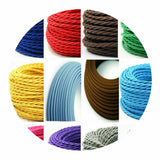
Incorporating vintage appeal into contemporary spaces
To achieve a classic look, Vintage Cables are the standard choice for restorations or new builds aiming for timelessness. By combining these wires with retro-style lamps, you can easily bridge the gap between past designs and current functionality. These components allow you to create unique Cloth-Covered wire setups that evoke nostalgia without requiring original, weathered electrical materials.
Safety considerations and technical specifications
While they add a great aesthetic touch, modern fabric cables feature standard PVC insulation beneath the woven textile, making them safe for lighting and small appliances. Understanding the construction allows for confident usage, as the outer layer is strictly decorative, while the inner PVC protects the copper conductors from damage and overheating. When you source high-quality components, you ensure that the internal wiring meets the necessary electrical safety standards for your home.
Verifying UK safety certifications for textile cabling
It is imperative to confirm that any wiring you purchase is certified for use within your specific region. Always check the packaging or product specifications for relevant safety marks, which prove the cable is tested against rigorous endurance criteria. This verification step is a fundamental aspect of safe Electricalsone project planning.

Understanding insulation layers beneath the fabric
The dual-layer design is what makes these cords reliable. Between the decorative braid and the copper conducting core lies a robust PVC sleeve that provides the actual insulation. By choosing Vintage Electric Supply products, you ensure that even as the decorative fabric adds colour, the electrical integrity underneath remains stable, avoiding the common pitfalls of exposed copper from degrading plastic.
How to install fabric electrical cable safely
Installation requires patience, especially when working with woven materials. The primary concern is protecting the outer jacket while achieving a clean connection at the terminals inside your pendant or ceiling rose. Because these wires are meant for display, any fraying or damage to the fabric braid will be immediately visible, so taking your time during the stripping process is critical for professional results.
Stripping the outer textile braiding without fraying
Carefully managing the outer layer prevents the braid from unraveling during the installation process. You can apply a small piece of heat-shrink or masking tape around the cut point before stripping to maintain structural integrity. Follow these steps to ensure a neat finish:
- Mark the length you need to strip for your connection.
- Wrap the tape tightly around the braid at the cutting point.
- Carefully cut through both the fabric and inner PVC with a sharp blade.
- Remove the jacket segment while keeping the tape in place.
- Twist the individual copper strands tightly before insertion.
Connecting to pendant sets and ceiling roses
When connecting to your hardware, ensure the wire is firmly secured within the terminal blocks to prevent accidental pull-outs. Using the correct size of ceiling rose or pendant set allows the fabric cable to remain taught and straight, which significantly improves the longevity of the connection. For custom lighting ideas, Electricalsone UK provides a suite of modular components that make these connections straightforward even for DIY enthusiasts.

Selecting the right cable profile for your project
Choosing the correct cross-section and style is the most important step in the planning phase. Whether you need a 2 Core Twisted Cable for a delicate table lamp or a sturdier 3 Core Round Cable for a heavier metal shade, the cable diameter and twisting pattern will shift the visual weight of the fixture. Matching these to your hardware ensures a seamless, finished look.
Difference between round and twisted cable designs
The choice between round and twisted designs often comes down to the desired tension and the visual texture of the braid. Below is a simple guide to comparing the two styles:
| Cable Type | Aesthetic Style | Best Application |
|---|---|---|
| 2 Core Twisted | Classic Vintage | Pendant lighting sets |
| 2 Core Round | Contemporary & Minimalist | Pendant lights, wall lights, DIY lighting projects |
| 3 Core Round | Mid-Century Modern | Table lamps with earth connection, floor lamps |
| 3 Core Twisted | Vintage Industrial | Metal pendant lights, wall sconces, exposed cable installations requiring earth |
| Vintage Cable | Retro & Industrial | Decorative pendant lighting, café lighting, restaurant interiors, heritage-style lighting |
Choosing core counts for different lighting fixtures
The core count is dictated by your fixture's grounding requirement. A 2-core wire is sufficient for simple, double-insulated lamps, while a 3-core option is essential for any metallic fixture where earthing is necessary for safety. You can find a vast range of Cable 2 core Twisted & Round 3 core twisted & Round configurations to suit whatever unique design you are planning to assemble.
Cleaning methods for delicate fabric finishes
For most textile-covered wires, a gentle wipe with a soft cloth will refresh the surface. Avoid liquid cleaners or solvents, as these can cause discolouration or swelling in the fabric fibres. If the wire is significantly dusty, a soft brush attachment on a vacuum set to a low pressure can lift debris from the braided surface without causing friction damage.

Conclusion
Selecting high-quality fabric electrical cable for your home is an investment in both safety and design, allowing you to personalise your lighting with textures and colours that reflect your unique style. By carefully sourcing your components and following proper installation techniques, you can enjoy a durable, refined lighting aesthetic that breathes life into any space.