

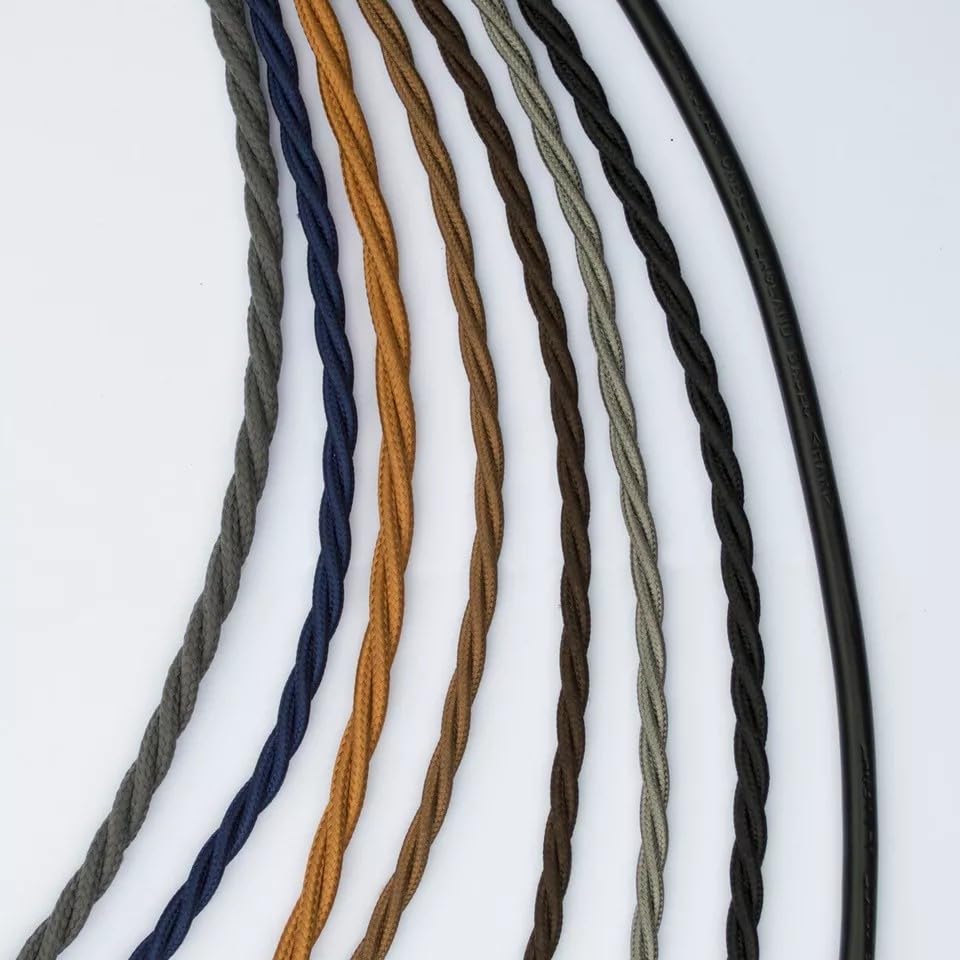
In modern British home renovations and boutique commercial design, aesthetics extend to every single detail—including the wires powering your lighting. Fabric cables, also known as fabric covered lighting cable, have experienced a massive resurgence in recent years. No longer hidden inside plaster walls, these high-end, colourful textile-wrapped cords turn necessary wiring into an active, stylish design feature. A twisted electrical cable is now the go-to choice for pendant lights, vintage lighting installations, industrial renovations, and DIY lighting projects across the UK. Whether you are updating a kitchen island or designing a restaurant, here is the ultimate guide to choosing fabric cables.
What Are Fabric Covered Lighting Cables?
The Anatomy, Construction, and Safety Standards of Decorative Textile Cables
At its core, a fabric covered lighting cable (frequently referred to as cloth covered cable, fabric light cable, or textile cable) is an electrical cable combining standard, double-insulated PVC inner conductors with a decorative, braided textile outer sleeve. Designed specifically for internal light fittings and portable electrical equipment, these cables bridge the gap between architectural aesthetic and high-level safety performance.
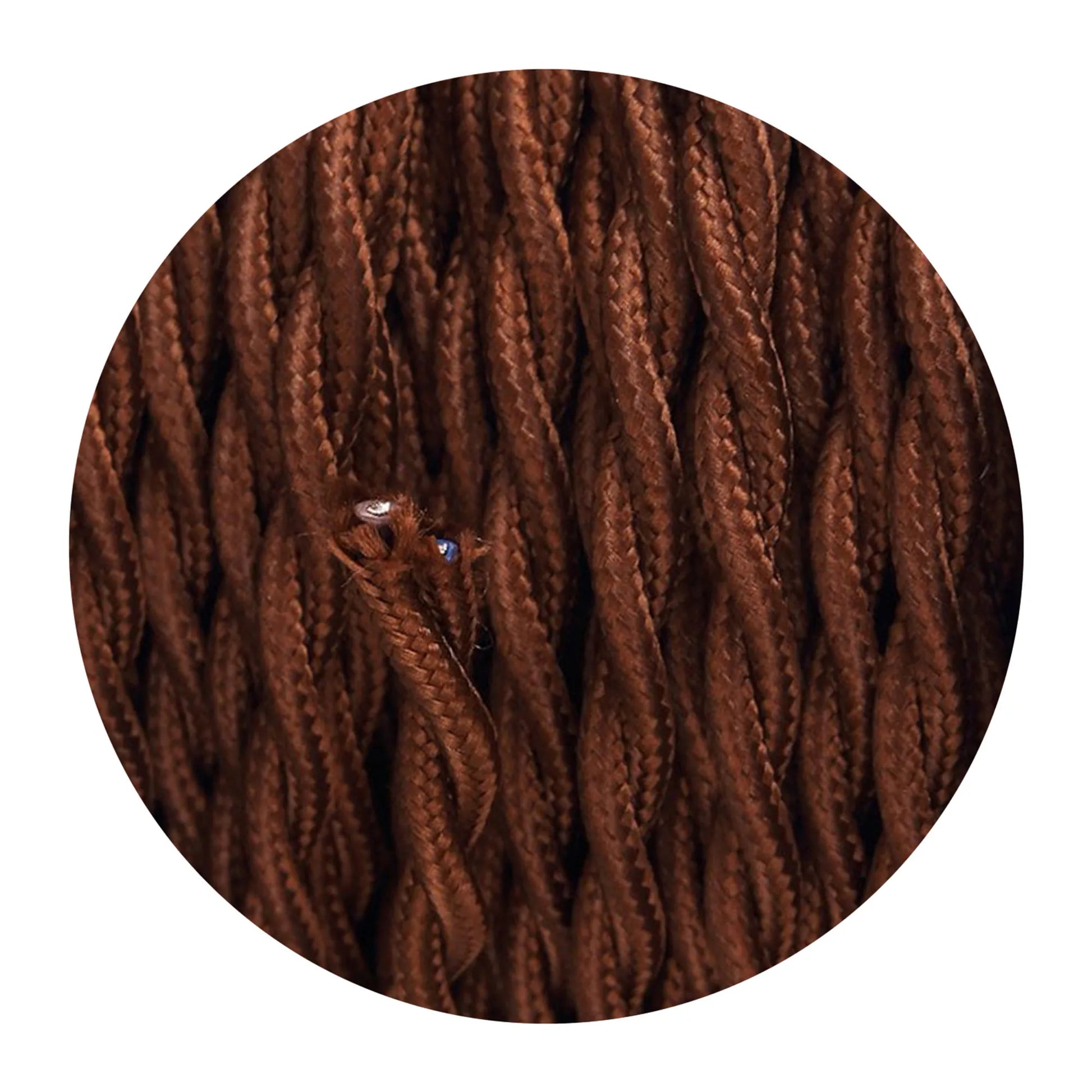
The underlying construction features standard flexible copper conductors. These conductors are insulated with standard PVC insulated cable layers. Over this protective plastic base, a secondary sheath holds the cores together. Finally, the decorative magic happens: a tightly-braided sleeve of high-grade natural or synthetic thread is woven directly over the corded wire. This provides a soft, visually engaging aesthetic that transforms what was once an eyesore into a premium design detail.
From a safety perspective, reliable fabric light cables sold in the UK must adhere to strict guidelines. They must have a double-insulated core under the textile weave, meaning that they are just as safe and resilient as standard, boring PVC building cables. The braided outer layer also provides an extra tier of physical defense against minor abrasions, while preserving maximum flexibility for decorative sweeps, swags, and suspended pendant installations.
Choosing the right outer textile material is the first major design choice. The braided lighting cable industry offers four primary thread types, each contributing a distinct visual texture and tactile experience:
- Cotton: Soft, matte, and organic. Cotton braided flex offers a highly natural finish. It is ideal for Scandinavian, minimalist, or rustic aesthetics where gloss would feel out of place.
- Rayon: Sleek, lustrous, and silk-effect. Rayon features a subtle semi-gloss finish that catches the light beautifully. It is excellent for luxury, art-deco, modern-retro, and glamour-filled interiors.
- Linen: Coarse, uneven, and tactile. Linen-covered flex brings an authentic artisan, linen-cloth vibe. It pairs beautifully with exposed wood beams, brickwork, and natural organic ceramics.
- Jute: Heavy, rope-like, and rugged. Jute textile cable replicates natural hemp or nautical rope. It is the perfect accent for maritime, rustic farmhouse, or heavily industrial designs.
2 Core vs 3 Core Twisted Cable – What's the Difference?
The most critical decision when purchasing a twisted lighting cable or twisted light cable is deciding between a 2 core twisted cable and a 3 core twisted cable. This is not an aesthetic choice—it is a fundamental safety determination governed by the UK's BS 7671 Wiring Regulations (IET Wiring Regulations). Choosing incorrectly is one of the most common installation mistakes and can lead to a severe electrical hazard.
To understand the core difference, you must examine how electricity flows and how appliances are classified under UK safety standards. A 2 core twisted cable contains only two copper conductors: the Live (Brown) and Neutral (Blue) wires, each individually PVC-insulated and wrapped in the protective outer textile. A 3 core twisted cable adds a third wire: the Earth conductor, insulated in the standard Green and Yellow striped sleeve.
The presence of the Earth wire is what dictates safety compliance. Metal is highly conductive. If a fault occurs inside a metal lampholder or ceiling plate, and a live wire touches the metal casing, the entire fitting becomes live. Without an Earth wire to carry the dangerous current safely to the ground and trip the circuit breaker, anyone touching that light fitting will receive an electric shock. Therefore, UK safety regulations dictate that any metal light fitting must be earthed.
Here is a complete, easy-to-read comparison table detailing when you must use each cable structure:
| Feature | 2 Core Twisted Cable | 3 Core Twisted Cable |
|---|---|---|
| Earth Wire | No Earth wire (Live & Neutral only) | Includes Earth wire (Live, Neutral, and Earth) |
| Applications | Plastic, glass, or porcelain fittings (Class II / Double insulated) | Metal fittings, brass lampholders, ceiling plates (Class I) |
| Safety Rating | Class II fittings only | Class I and Class II (Universal safety protection) |
| Typical Setup | Retro bedside table lamps, vintage Bakelite pendants | Industrial brass drop lights, copper kitchen pendants |
| UK BS 7671 Regulation | Strictly forbidden for metal fittings (Shock risk) | Mandatory for all metal fittings to guarantee safety |
Why Choose Twisted Fabric Lighting Cable?
While standard flat or round PVC cable is functional for running hidden wiring through floors, exposed cable lighting demands a far more thoughtful material. Choosing a twisted fabric lighting cable over standard plastic wire offers a multitude of structural and aesthetic advantages that elevate simple fixtures into bespoke interior statements.
Firstly, the twisted electrical cable structure carries historical authenticity. Early electrical installations in the late 19th and early 20th centuries relied on twisted silk cords suspended from high ceilings. By installing a vintage twisted cable, you instantly inject a timeless, retro lighting cable feel into period properties, Edwardian townhouses, and heritage country cottages. It respects the original architecture while offering modern, double-insulated safety.
Secondly, twisted fabric cables offer unparalleled flexibility. Unlike heavy plastic-covered cords, which tend to retain their packaging kinks and refuse to hang straight, cloth flex cable drapes organically. This high-flexibility profile makes twisted lighting cable the ideal material for creating draped swags, winding cords around wall brackets, or suspending complex multi-pendant 'spider' arrangements from a single ceiling rose.
Furthermore, modern decorative electrical cable stands up beautifully to daily use. The high-density polyester or natural cotton braiding acts as an armor layer, resisting light scratches, dust build-up, and yellowing from UV exposure that commonly plagues plain white plastic light cords. It is an investment in long-term aesthetic durability.
- Vintage Period Elegance: Perfect for matching Edison filament bulbs and brass lampholders.
- Kink-Free Hanging: Drapes naturally without retaining stiff bends, guaranteeing straight drops.
- Enhanced Visual Rhythm: The twisted wire electrical design creates an appealing spiral texture.
- Architectural High-End Finish: Signals premium attention to detail, perfect for luxury commercial spaces.
- Double-Insulated Safety: Retro visual appeal backed by fully certified modern PVC inner cores.
Best Applications for Fabric Cables
The versatility of textile cable and corded wire means they can be introduced into almost any light fitting to add a pop of colour or texture. From simple table lamps to grand commercial dining rooms, here is how professional designers deploy fabric light cables to maximum effect.
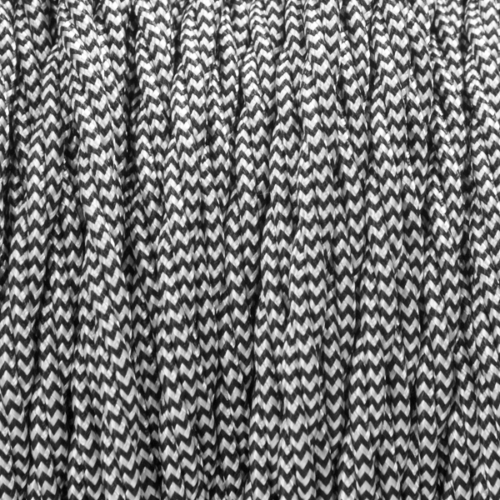
Pendant Lighting & Swags: The single-drop pendant light is the most popular vehicle for fabric flex. Suspending a simple copper lampholder from a black-and-white herringbone light cable wire creates a stunning minimalist feature. For tall ceilings, use long lengths of twisted electrical cord to loop the wire over decorative wall hooks or wooden beams, creating bespoke swags.
Table Lamps & Floor Lamps: Give an old table lamp a second life by replacing its stiff, discoloured plastic cable with a vibrant, high-end braided lighting cable. A bold mustard yellow or crimson red lamp cable instantly modernises a neutral ceramic base, transforming a boring corner table into a deliberate design choice.
Boutique Commercial Interiors: In UK cafes, craft coffee shops, artisan bakeries, and gastropubs, lighting is everything. Suspended multi-pendant arrays featuring twisted fabric lighting cable and raw carbon-filament bulbs create a warm, inviting glow. They establish a cozy, rustic-industrial atmosphere that encourages customers to linger.
Room-by-Room Inspiration: In kitchen renovations, hanging three matching pendants wired with natural jute fabric flex cable above a marble kitchen island bridges the gap between clean contemporary styling and organic warmth. In bedrooms, hanging small pendant lights from the ceiling on either side of the bed using stylish twisted cables eliminates the need for bulky bedside table lamps, freeing up precious nightstand space.
How to Choose the Right Lighting Cable
When purchasing your decorative electrical cable from Electricalsone UK, working through a structured checklist guarantees that your order is perfectly tailored to your design goals and fully compliant with UK building regulations.
- Identify the Fixture's Earthing Requirements: This is step one, and it cannot be skipped. Look closely at your lampholder and ceiling rose. If they are made of brass, copper, steel, or any other metal, you must select from our earthed 3 Core Twisted Cable Collection. If you are wiring a completely ceramic, plastic, or silicone fitting, you can safely choose from our 2 Core Twisted Cable Collection.
- Calculate the Required Length: Measure your planned drop or swag distance carefully. Always add an extra 10% to 15% to your total. You need this excess for stripping and connection inside the ceiling rose and lampholder, and to allow the cable to hang with a relaxed, natural drape rather than being pulled perfectly taut.
- Conductor Sizing (0.75mm² Standard): Standard lighting flex in the UK features a 0.75mm² conductor size. This is rated to carry up to 6 Amps, which is more than sufficient for running modern energy-efficient LED light bulbs, or traditional incandescent lamps up to 100 Watts.
- Choose Your Style & Colour: Ensure the cable's material matches the mood of the room. Metallic gold and copper rayon sleeves pair beautifully with high-end polished brass, while raw cotton and organic linen flex suit wooden, plaster, or matte ceramic finishes.
Popular Colours and Interior Design Trends
The sheer range of colours available in the Twisted Fabric Cable Collection opens up exciting creative opportunities. Choosing the perfect hue can tie an entire room's design scheme together, linking your ceiling fixtures directly with soft furnishings, artwork, and wall paints.
Monochrome Minimalist (Black & White): A timeless favourite. Solid jet-black matt cotton twisted cable paired with a stark white ceiling and a naked bulb creates an ultra-clean, architectural look. Alternatively, black-and-white houndstooth patterns add a playful, graphic retro lighting cable twist that works beautifully in Scandinavian-style living rooms.
Organic Jute & Linen: For spaces designed with beige, cream, or sage green walls, raw jute and natural linen fabric flex cable are unmatched. These earth-toned, textured sleeves have a tactile, coarse appearance that complements rattan furniture, exposed wood shelves, and potted indoor plants.
Rich Metallics (Gold, Copper, Bronze): Metallic rayon sleeves add a touch of glamour and high-end luxury. An antique gold or twisted copper flex paired with highly polished brass, gunmetal gray, or matte black steel fixtures feels incredibly premium. This combination is highly popular in master suites, cocktail bars, and formal dining rooms.
Vibrant Pop Accents (Red, Yellow, Blue): Don't be afraid to make a statement! A single, bright crimson red or mustard yellow fabric light cable dangling from a neutral plaster ceiling acts as an immediate focal point. This pop-art styling works exceptionally well in modern home offices, playrooms, or creative studio spaces.
Conclusion
Exposed wiring is no longer something to hide behind drywall—it is a powerful tool to express your unique design aesthetic. By selecting high-quality fabric covered lighting cables from Electricalsone UK, you combine modern safety certification with timeless retro design. Whether you require earthed 3-core twisted cable for an industrial brass pendant, or a lightweight 2-core linen flex to wire a Scandinavian bedside lamp, our premium UK stock delivers unmatched flexibility, safety, and visual richness.
Elevate Your Electrical Aesthetics
UK Registered. CE/UKCA Tested. Beautifully braided fabric lighting flex.