

Picking the right light bulb can feel a bit tricky sometimes, especially with all the different types out there. If you're in the UK, you've probably come across the B22 bulb. It's a really common fitting, but knowing what to look for when you need a new one can save you a headache. This guide is here to help you figure out the whole B22 bulb situation, from what it is to how to pick the best one for your home.
Key Takeaways
- The B22 bulb, often called a bayonet cap, is easily identified by its two pins and is common in UK homes.
- When choosing a b22 bulb, think about how bright you need it and what colour light you prefer – warm or cool.
- LED b22 bulbs are a great option because they use less electricity and last much longer than older types of bulbs.
- Always make sure the new b22 bulb you buy fits your light fixture; check the socket or the old bulb packaging.
- Buying from shops you trust and checking the packaging for details like wattage and base type helps ensure you get a good b22 bulb.
Understanding the B22 Bulb Base
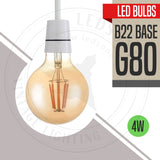
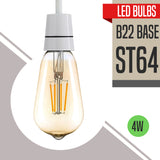
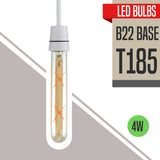
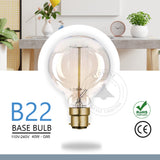
What is a B22 Bulb?
Right then, let's talk about the humble light bulb base. If you're in the UK, chances are you've come across the B22 fitting more times than you can count. The "B" in B22 actually stands for 'bayonet', and the "22" refers to the diameter of the base in millimetres. So, a B22 is essentially a bayonet light bulb with a 22mm wide base. It works by having two pins on the sides of the base that slot into a matching socket and then twist to lock securely. This fitting is super common in the UK, and you'll find it in most standard overhead light fittings. It's a classic, reliable design that's been around for ages.
B22 vs. Other Common Bulb Bases
It's easy to get bulbs mixed up, especially if you're used to different fittings. The main one you'll hear about is the E27 or E26 base, which is a screw-in type. These are more common in places like North America. The B22 bayonet bulb has that push-and-twist mechanism, whereas the screw-in types just twist and tighten. They're not interchangeable, so you can't just shove a screw-in bulb into a bayonet socket and expect it to work (trust me, I've seen people try!).
Here's a quick rundown:
| Feature | B22 (Bayonet) | E26/E27 (Screw) |
|---|---|---|
| Base Type | Bayonet | Screw |
| Common Use | UK, Europe | US, Canada |
| Installation | Push and twist | Twist and tighten |
| Compatibility | Only with B22 sockets | With E26/E27 sockets |
So, if you're buying a b22 bulb replacement, make sure it's actually a B22 and not an E27. It might seem obvious, but in a rush, it's an easy mistake to make. You might also see B15 bulbs, which are smaller bayonet fittings, often used in lamps rather than ceiling lights.
Identifying a B22 Base in Your Fixture
Figuring out if your light fitting uses a B22 base is usually pretty straightforward. The easiest way is to look at the socket where the bulb goes. If you see two small slots or holes on the sides, that's where the pins of a B22 bulb will slot into. You then give the bulb a bit of a push and a twist to lock it in place. If it's a screw-in type, you'll just see a threaded hole. You can also check the old bulb you're replacing; the base type is usually printed on it, or on the packaging if you still have it. Sometimes, the light fixture itself might have a label indicating the bulb type. If you're really stuck, just take a photo of the socket and the old bulb to your local hardware shop, and they'll sort you out. It's important to get this right, especially when you're looking at newer options like a b22 led bulb.
Choosing the Right B22 Bulb for Your Needs
So, you've figured out you need a B22 bulb. Great! But now comes the slightly trickier part: picking the perfect one for your space. It’s not just about grabbing any old bulb off the shelf; a little thought goes a long way to getting the lighting just right.
Wattage and Brightness Considerations
When you look at bulbs, you'll see wattage mentioned. This used to be a good indicator of brightness, but with modern LED bulbs, it's a bit different. LEDs use much less power for the same amount of light. So, instead of focusing solely on wattage, look for the lumen output. Lumens tell you how bright the bulb actually is. For a living room, you might want something around 800 lumens, while a bedside lamp might only need 300-400 lumens. It’s all about matching the brightness to the room's purpose.
Selecting the Ideal Colour Temperature
Colour temperature is measured in Kelvin (K) and basically describes how warm or cool the light looks. Think of it like this:
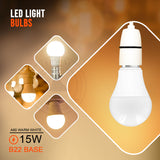
- Warm White (around 2700K-3000K): This gives off a cosy, yellowish glow, similar to traditional incandescent bulbs. It’s great for living rooms, bedrooms, and anywhere you want to relax.
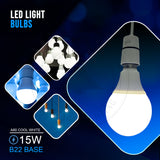
- Cool White (around 4000K): This is a more neutral, white light. It’s good for kitchens, bathrooms, or home offices where you need clear, focused light.
- Daylight (6000K and above): This is a very bright, bluish-white light, mimicking natural daylight. It’s best for task lighting or areas where you need maximum visibility.
Choosing the correct colour temperature can really change the feel of a room, so give it some thought!
Energy Efficiency and Lifespan
This is where LED bulbs really shine. They use significantly less electricity than older types of bulbs, which is good for your wallet and the planet. Plus, they last ages! While a traditional bulb might last a year or two, an LED B22 bulb can easily last 15,000 to 25,000 hours, sometimes even more. This means fewer trips up a ladder to change bulbs, which is always a bonus.
It's worth noting that B22 bulbs use a push-and-twist locking system, commonly used in the UK, while E27 bulbs use a screw fitting. Selecting the correct holder ensures proper fitting, safety, and better lighting performance for LED bulbs and fixtures. You can find more information on different bulb bases if you're unsure.
Exploring Different B22 Bulb Types
When you're looking for a B22 bulb, you'll notice there are a few main types out there. It's not just about the base anymore; the technology inside the bulb has changed a lot over the years. The biggest difference you'll find is between older, traditional bulbs and the newer LED options.
The Benefits of LED B22 Bulbs
LEDs are pretty much the standard now, and for good reason. They're a big step up from the old incandescent bulbs. For starters, they use way less electricity. We're talking up to 90% less, which really adds up on your energy bill. Plus, they last ages – some can go for 25,000 hours or even more. That means you're not constantly climbing up a ladder to swap them out. They also don't get as hot as old bulbs, which is a nice safety bonus, especially if you have kids or pets around.
Here's a quick look at how they stack up:
| Feature | LED B22 Bulbs | Traditional Bulbs |
|---|---|---|
| Energy Use | Very Low | High |
| Lifespan | 25,000+ hours | ~1,000-2,000 hours |
| Heat Output | Low | High |
| Initial Cost | Higher | Lower |
| Running Cost | Much Lower | Higher |
Traditional vs. Modern B22 Options
Before LEDs took over, you'd mostly find incandescent or halogen bulbs with a B22 base. These give off a warm light, which some people still prefer for a cosy feel. However, they're not very efficient and burn out relatively quickly. You might still find them in some older fixtures or if you're going for a very specific vintage look. But for everyday use, the energy savings and longevity of LED B22 bulbs are hard to beat. They come in all sorts of brightness levels and colour temperatures, so you can still get that warm glow if you want it, just without all the wasted energy. It's really about finding the right balance for your room and how you use it.
Installation and Usage Tips for B22 Bulbs
How to Safely Install a B22 Bulb
Getting a new B22 bulb into your light fitting might seem straightforward, but a little care goes a long way to keeping things safe and working properly. Always make sure the power is off at the switch or, even better, the fuse box before you start fiddling with any bulbs. It’s a simple step, but it prevents any nasty shocks.
Here’s a quick rundown of how to get it done:
- Power Down: Flick the light switch off. If you're really being cautious, or if the switch feels a bit dodgy, nip to your consumer unit and switch off the relevant breaker.
- Remove Old Bulb: If there’s an old bulb in there, give it a gentle twist counter-clockwise. It should unscrew easily. If it’s stuck, don’t force it too hard; a bit of gentle wiggling might help.
- Insert New Bulb: Take your new B22 bulb. Line up the pins on the side of the base with the slots in the socket. Push it in firmly but gently. You should feel it seat properly.
- Secure the Bulb: Once it’s pushed in, give it a slight twist clockwise. You’ll feel it lock into place. It doesn’t need to be super tight, just snug.
- Power Up and Test: Switch the power back on and test your new bulb.
If the bulb doesn't light up, don't panic. Double-check that the power is on, the bulb is twisted in securely, and that it’s the correct type for your fixture. Sometimes, a bulb might just be faulty, or the socket itself could have an issue. If you're unsure about any part of the process, it’s always best to get a qualified electrician to take a look. They can also help if you're trying to figure out the right bulb base type for your specific fitting.
Best Practices for Using Your B22 Bulb
Once your new B22 bulb is installed, there are a few things to keep in mind to get the most out of it and keep your home lit just right.
- Matching Brightness and Colour: Think about what you use the room for. A bright, cool white might be great for a kitchen where you need to see clearly, but in the living room, a warmer, softer glow is often preferred. LEDs come in a range of colour temperatures, so pick one that suits the mood.
- Longevity: LED bulbs, in particular, are designed to last a very long time – we’re talking thousands of hours. So, while the initial cost might be a bit more than old-fashioned bulbs, they save you money and hassle in the long run by not needing frequent replacements.
- Cleaning: Dust can build up on bulbs, dimming the light. Periodically, and always with the power off, give your bulbs a gentle wipe with a dry or slightly damp cloth to keep them shining brightly.
Remember, while B22 bulbs are common, always double-check your fixture to be certain it’s the right fit before buying. Happy lighting!
Where to Purchase Quality B22 Bulbs
Right then, so you've figured out you need B22 bulbs for your lamps and light fittings. The next big question is, where do you actually go to buy them? It's not as simple as just grabbing the first pack you see, especially if you want bulbs that are going to last and not give you any hassle.
Choosing Reputable Sellers
When you're on the hunt for bayonet bulbs, sticking to well-known retailers or specialist lighting shops is usually a safe bet. These places tend to stock products from established brands and are more likely to have knowledgeable staff if you need a bit of advice. Online marketplaces can be a bit of a minefield, but if you stick to sellers with lots of positive reviews and clear product descriptions, you can often find some great deals, especially on multi-packs of led b22 light bulbs.
| Feature | B22 LED Bulb | Traditional B22 Bulb |
|---|---|---|
| Wattage (Typical) | 4W - 15W | 40W - 100W |
| Lifespan | 15,000 - 25,000+ hrs | 1,000 - 2,000 hrs |
| Energy Use | Very Low | High |
So, whether you're after a single replacement or stocking up on b22 light bulbs for the whole house, taking a moment to check these details will save you time and money in the long run.
Looking for top-notch B22 bulbs? You've come to the right place! We offer a fantastic selection of quality bulbs that will brighten up any room. Don't waste time searching elsewhere; find exactly what you need right here on our website. Visit us today and discover the perfect lighting solution for your home!

Wrapping Up Your B22 Bulb Choice
So, there you have it. Choosing the right B22 bulb might seem a bit fiddly at first, especially with all the different types out there. But really, it just comes down to checking what fits your lamp and then picking the brightness and colour you like best. We've seen that B22 is pretty standard in the UK, and thankfully, most bulbs will tell you clearly on the packet if they're the right fit. Going for an LED version is usually a smart move too – they last ages and don't cost a fortune to run. Hopefully, this guide has made things a bit clearer and you can now pick out your next bulb with a bit more confidence. Happy lighting!